US Senators Push Bill to Combat Foreign AI Threats
US Senators introduce a new bill granting the Commerce Department powers to block foreign adversaries from accessing critical AI technology.
•TradeRadarNews Australia Editorial
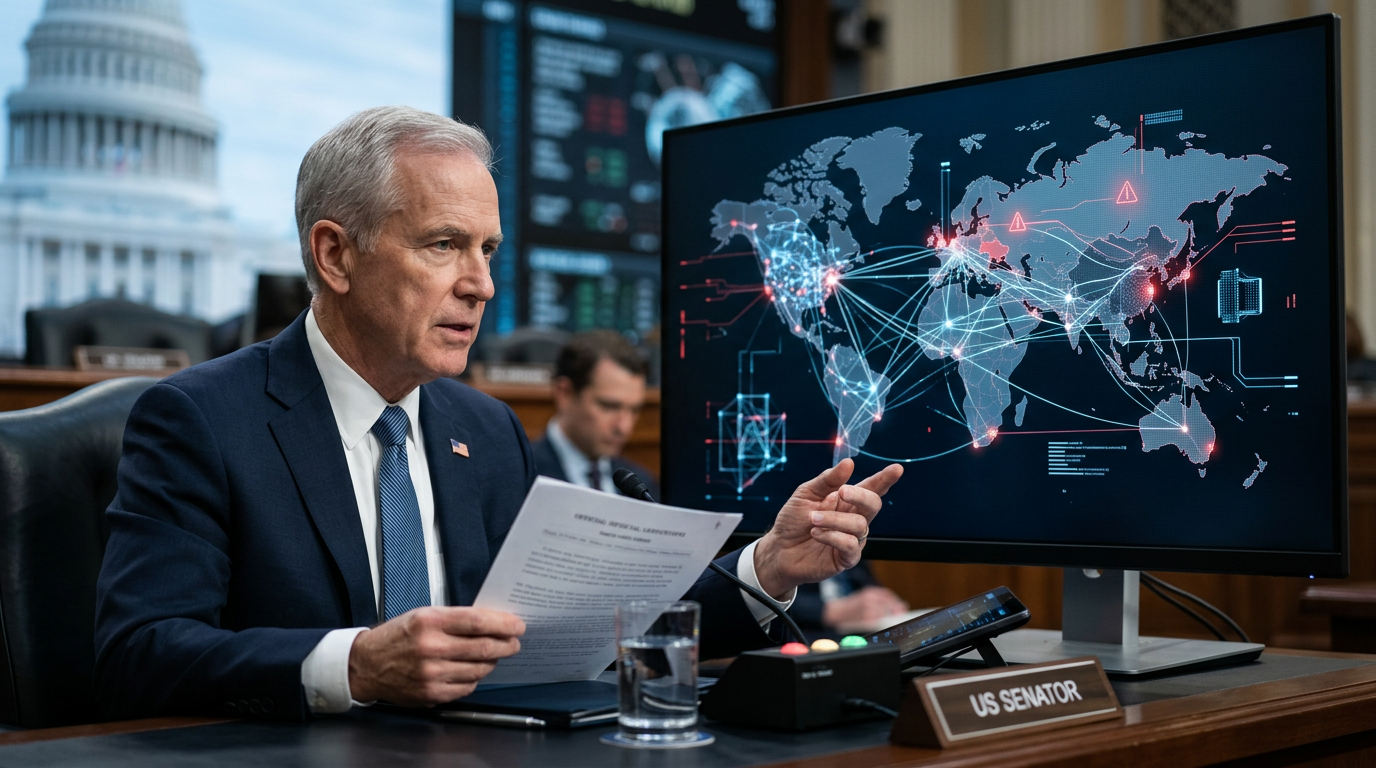
Two prominent US Republican senators, Tim Scott and Bill Hagerty, have introduced a significant new bill aimed at fortifying American artificial intelligence (AI) technology against foreign adversaries. This legislative push seeks to empower the US Commerce Department with enhanced authorities to safeguard domestic AI innovation and intellectual property from exploitation.
The proposed legislation would grant the Commerce Department the ability to block transactions involving technology designed, developed, manufactured, or supplied by entities owned, controlled, or directed by nations deemed foreign adversaries. Currently, this designation includes countries such as China, Russia, Iran, and North Korea, all identified as actively working against US national security interests.
Senator Scott, who chairs the Senate Banking Committee, emphasised the critical need to prevent hostile nations from leveraging technology embedded in everyday items like cars, phones, and networks against American interests. His collaboration with Senator Hagerty previously led to the successful passage of the Guiding and Establishing National Innovation for U.S. Stablecoins (GENIUS) Act, demonstrating their legislative influence in the tech sector.
One of the bill's key provisions is the formal establishment of an Assistant Secretary of Commerce for Information and Communications Technology Supply Chains. This dedicated role within the Commerce Department would oversee the newly expanded authority, ensuring a concentrated effort in protecting US AI. Furthermore, the legislation aims to maintain public access to open-source AI software, balancing protection with accessibility.
This initiative follows closely on the heels of an executive order issued by former President Donald Trump earlier this month, which also underscored the importance of promoting US AI innovation while simultaneously protecting American ingenuity and intellectual property from theft. The confluence of these efforts highlights a growing bipartisan concern in Washington regarding the vulnerabilities of the nation's burgeoning AI industry.
While the introduction of the bill comes as the congressional session approaches its summer recess and midterm elections, potentially limiting its immediate advancement, its proponents remain hopeful. It may yet be attached to a must-move piece of legislation later in the year, underscoring the perceived urgency of addressing AI security. The focus on China's advanced AI sector and Russia's history of cybersecurity breaches makes this legislation particularly relevant in the current geopolitical landscape, aiming to create a more secure environment for US technological growth.