UK Races for Nuclear Fuel: HALEU Supply & Energy Security
The UK and US are investing in domestic uranium enrichment to secure nuclear fuel, as advanced reactors demand HALEU, currently scarce outside Russia.
•TradeRadarNews Australia Editorial
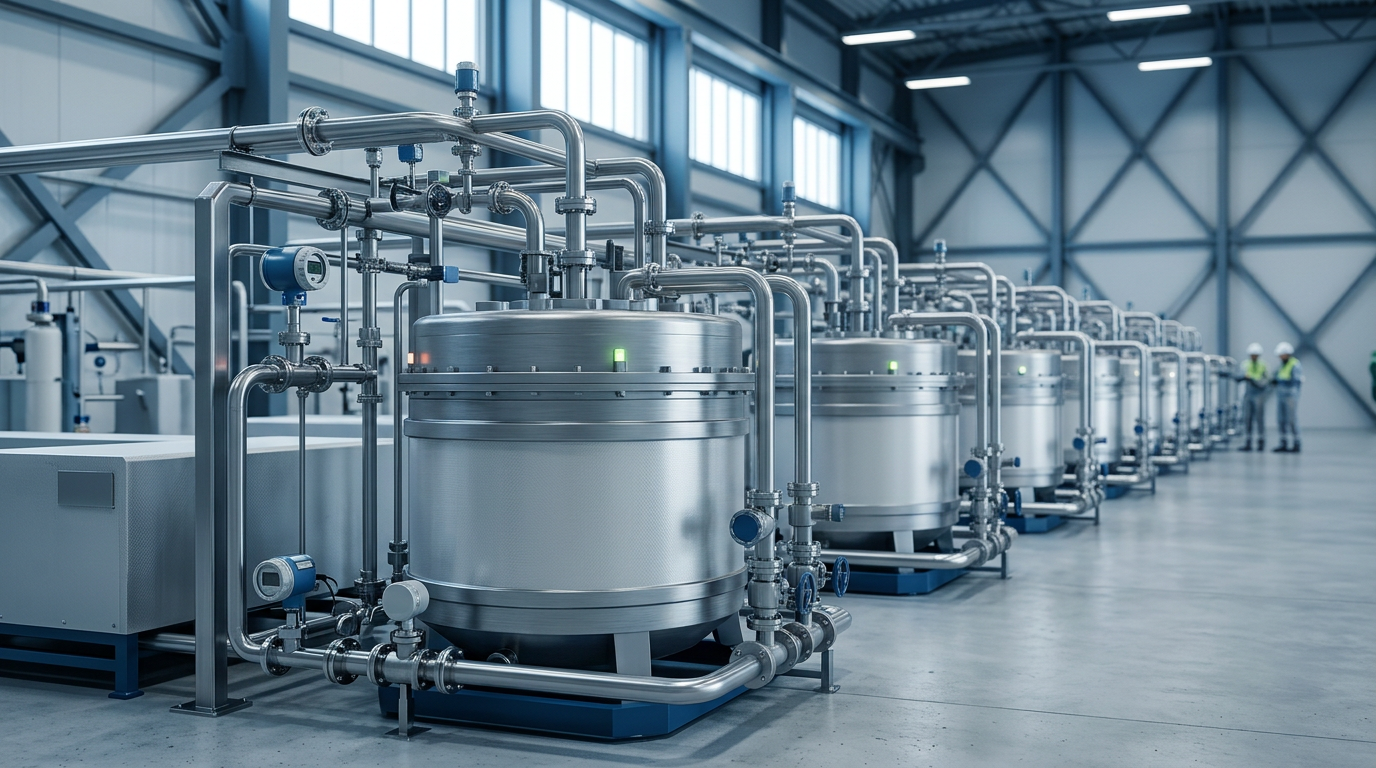
The global energy landscape is currently witnessing an intensive push to develop next-generation nuclear fuels. As of June 28, 2026, the demand for advanced fuels such as High-Assay, Low-Enriched Uranium (HALEU) is surging, driven primarily by the proliferation of innovative reactor designs, including Small Modular Reactors (SMRs). This heightened demand comes at a critical juncture, as commercially viable supplies of HALEU outside of Russia and China are notably scarce.
This geopolitical reality has prompted leading nations, particularly the United States and the United Kingdom, to implement significant investment strategies aimed at bolstering domestic uranium enrichment capabilities. The primary objective is to enhance national nuclear fuel security, ensuring a stable and independent energy supply for future nuclear power generation projects.
The reliance on external suppliers for such crucial energy resources presents inherent vulnerabilities. Therefore, the strategic pivot towards self-sufficiency in uranium enrichment is a cornerstone of both countries' long-term energy policies. This move not only mitigates supply chain risks but also underpins broader national security interests.
In the interim, while domestic HALEU production infrastructure is being scaled up, many reactor development companies are actively exploring and adopting alternative fuel solutions. Low-Enriched Uranium Plus (LEU+) is emerging as a more immediately accessible and viable substitute. This pragmatic approach allows for continued progress in nuclear reactor deployment without being fully reliant on nascent HALEU supply chains.
LEU+ offers a bridge solution that helps maintain momentum in the development and deployment of advanced nuclear technologies. Its ready availability provides a crucial buffer, preventing potential delays that could arise from the current HALEU supply constraints. This flexibility is vital for maintaining the aggressive timelines set for nuclear energy expansion.
The concerted effort by various stakeholders, including governments, research institutions, and private companies, highlights the urgent recognition of nuclear power's role in a sustainable energy future. The development of diverse fuel sources and robust domestic enrichment facilities are essential for ensuring the longevity and reliability of this carbon-free energy option.
Ultimately, the race to develop new nuclear fuels and secure their supply is more than just a technological challenge; it's a strategic imperative for global energy resilience and independence. The UK's proactive stance in this domain positions it as a key player in shaping the future of nuclear energy.