UAE Oil Output Soars Post-OPEC as Global Prices Fluctuate
UAE oil production nears record highs after exiting OPEC, impacting global crude prices like Brent and WTI amidst wider energy market shifts.
•TradeRadarNews Australia Editorial
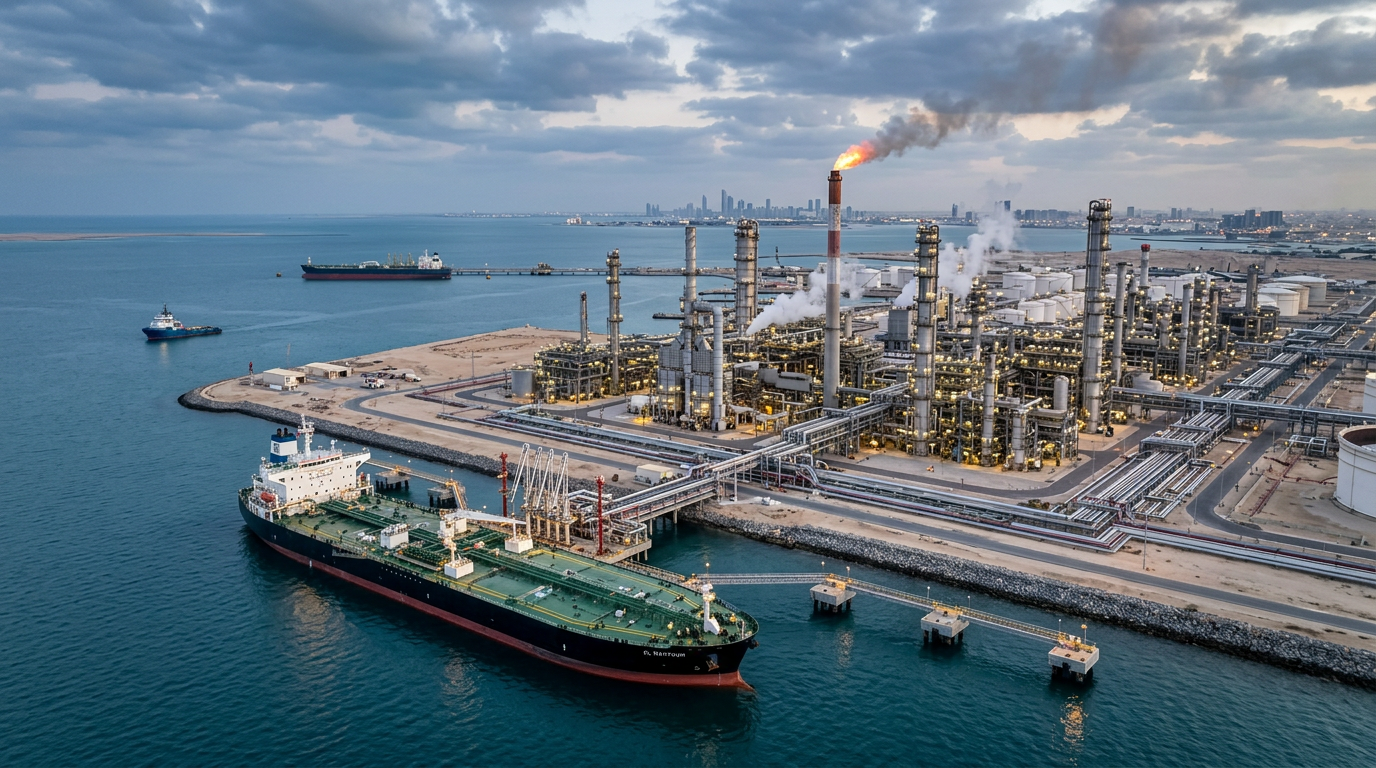
The United Arab Emirates (UAE) is demonstrating significant growth in its oil production, nearing record-high levels following its recent departure from OPEC. This strategic move allows the UAE greater autonomy in setting its production quotas, a decision that could have considerable implications for the global oil market and intertwine with the fluctuating energy prices currently observed.
Recent market data highlights the dynamic nature of crude oil prices. WTI Crude is currently trading at 68.65, experiencing a slight dip of 0.06%. Similarly, Brent Crude, a key international benchmark, stands at 72.07, down by 0.07%. Murban Crude experienced a more notable decline of 0.63%, reaching 66.06. These shifts underscore the volatile environment in which the UAE is expanding its output.
Beyond crude, other energy commodities are also seeing movement. Natural Gas has risen by 1.75% to 3.252, while Heating Oil shows a significant increase of 3.73%, priced at 3.301. Gasoline prices have also climbed by 3.07% to 3.007. These varied movements across the energy sector reflect a complex interplay of supply, demand, and geopolitical factors.
The UAE's decision to increase production after leaving OPEC suggests a focus on maximising revenue and market share. This could put downward pressure on global oil prices if the increased supply outpaces demand, challenging the delicate balance that OPEC and its allies (OPEC+) often try to maintain.
Financial journalists and energy analysts are closely monitoring how the UAE's expanded production will influence various global oil benchmarks, including WTI Midland, which is at 68.63, and regional baskets like the Opec Basket (77.37) and Indian Basket (68.21), both of which have recently seen declines.
The broader implications for the UK and European markets are also being considered. Increased global supply, even with some price volatility, could potentially lead to more stable or even lower pump prices for consumers, though this is often offset by other factors like refining costs and taxation. For businesses reliant on energy, this could offer some relief amidst ongoing economic pressures.
The strategic choices made by major oil-producing nations like the UAE are pivotal in shaping the international energy landscape. As the UAE continues to ramp up its production, the global oil market will undoubtedly feel the ripple effects, warranting continuous observation from investors, policymakers, and consumers alike.