South Korea Accuses Refiners of Petrol Price Gouging
South Korea launches probe into major oil refiners over alleged petrol price gouging amidst rising global energy costs and consumer concerns.
•TradeRadarNews Australia Editorial
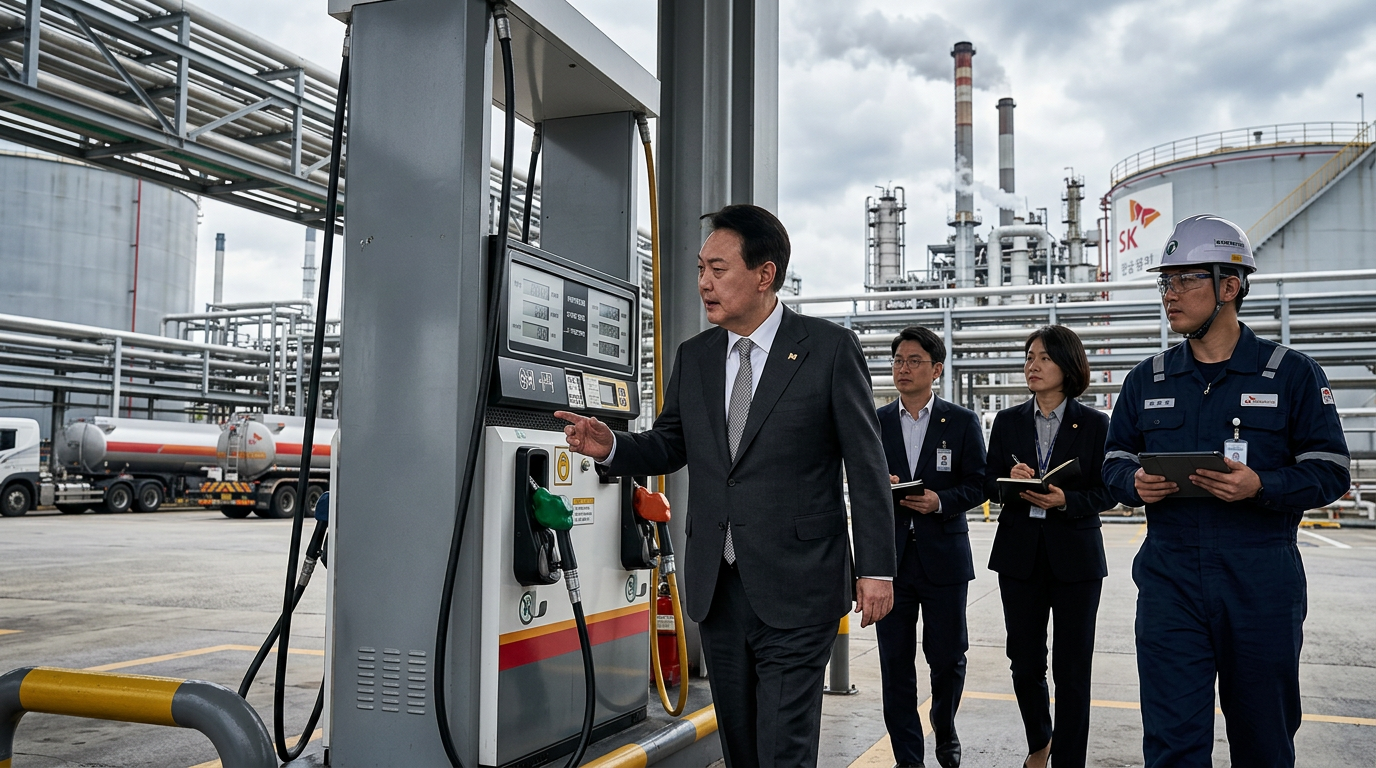
South Korean authorities have launched an investigation into major domestic oil refiners, alleging petrol price gouging amidst rising global energy costs. This comes as consumers face escalating expenses at the pumps, prompting a governmental response to scrutinise pricing practices within the industry.
The probe centres on accusations that refiners may have unfairly inflated petrol prices, capitalising on the volatile global oil market rather than passing on potential savings or maintaining reasonable profit margins. The investigation seeks to determine if any anti-competitive behaviour or illicit profiteering has occurred, which could lead to significant penalties for the companies involved.
Historically, South Korea, a nation heavily reliant on imported crude oil, has often felt the pinch of global price fluctuations more acutely. With WTI Crude currently at $68.57 (-0.17%), Brent Crude at $71.88 (-0.33%), and Gasoline at $2.962 (+1.54%), the domestic market is particularly sensitive to such movements. The government's intervention underscores a broader commitment to consumer protection and market fairness.
Consumer advocacy groups have long voiced concerns about the transparency of petrol pricing mechanisms. This official investigation may bring much-needed clarity and accountability to the sector. Should evidence of price manipulation be found, it could trigger regulatory reforms aimed at preventing similar incidents in the future and ensuring more equitable pricing for South Korean drivers.
This development also sends a strong signal to other industries about the government's stance on corporate responsibility, particularly during periods of economic strain for the populace. The outcome of this investigation will be closely watched, not only by the affected refiners but also by the general public eager for relief from high fuel costs.