Russia Fuel Crisis: Putin Admits Worsening Gasoline Shortages
Russia's fuel crisis deepens as Putin admits growing gasoline shortages and long queues, stemming from Ukrainian drone attacks on key infrastructure.
•TradeRadarNews Australia Editorial
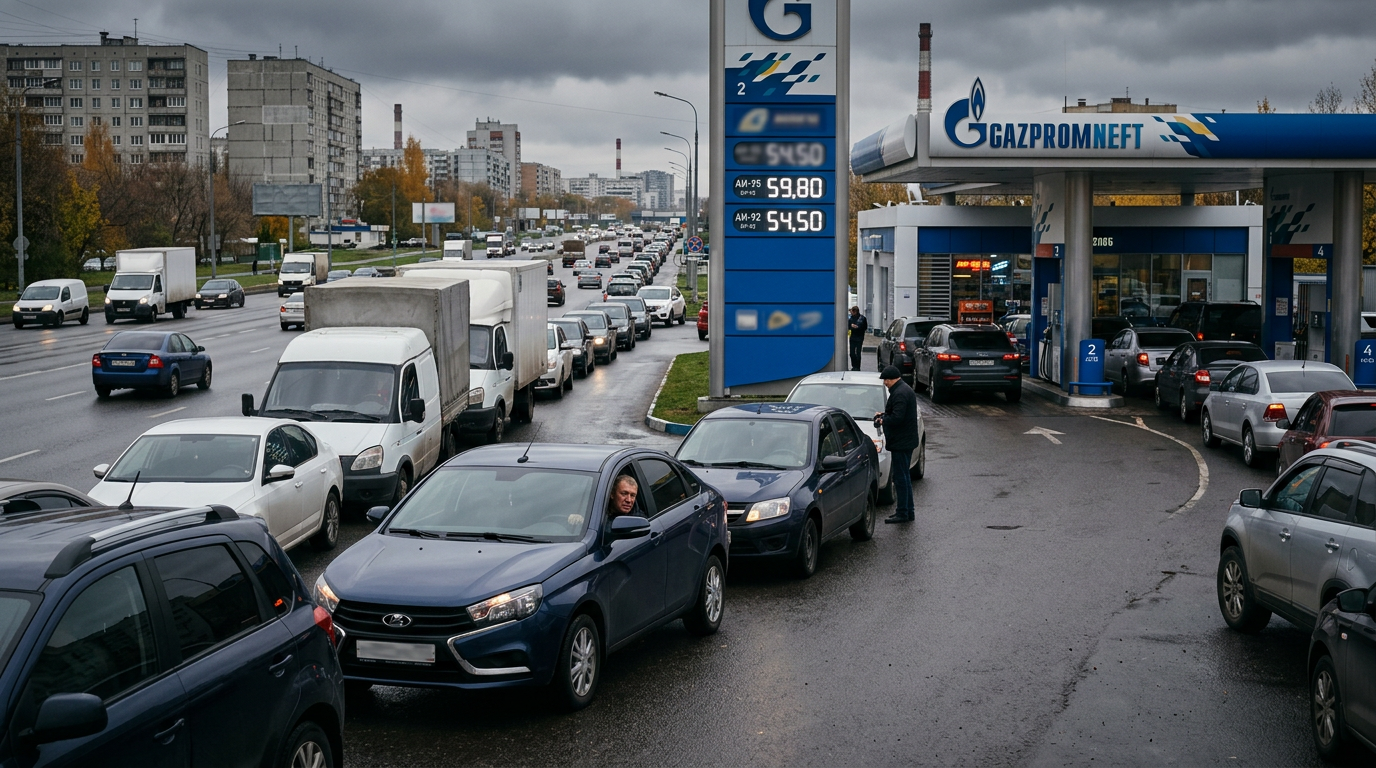
Russia's internal fuel crisis is significantly intensifying, with President Vladimir Putin himself acknowledging the growing gasoline shortages impacting the nation, as reported by RFE/RL staff on June 29, 2026. Despite public assurances that the situation remains 'manageable,' the reality on the ground points to increasing difficulties, including pervasive long queues at petrol stations across the country. These widespread disruptions have become a visible indicator of the severe challenges facing Russia's energy infrastructure.
The core of the escalating fuel scarcity can be largely attributed to the sustained and effective drone attacks from Ukraine. These targeted assaults have repeatedly struck critical components of Russia's oil and gas network, including vital refineries, extensive pipeline systems, and crucial oil terminals. The cumulative impact of these strikes has directly necessitated the implementation of stringent fuel restrictions across numerous Russian regions, severely impeding the distribution and availability of essential petroleum products for both industry and personal use.
In an attempt to mitigate the deepening crisis and stabilise its volatile domestic market, the Kremlin is actively exploring a range of preventative measures. A significant proposal currently under consideration is a potential ban on diesel exports. Such a move would be intended to retain more fuel internally to meet national demand and prevent further price volatility. Furthermore, the Putin administration is prioritising the allocation of existing fuel supplies specifically for the agricultural sector. This strategic decision underscores the critical importance of maintaining food production and preventing a broader economic downturn caused by harvest disruptions due to a lack of tractor fuel, for instance.
This evolving crisis has profound implications not only for Russian citizens but also for the global energy market. Reduced Russian fuel exports, particularly of diesel, could tighter supply chains, potentially leading to upward pressure on international prices for these commodities worldwide. The situation highlights Russia's vulnerability to sustained infrastructure assaults and underscores the challenges of balancing domestic needs with export revenues in times of conflict. As the summer months progress, the Kremlin's ability to effectively manage these fuel shortages will be a crucial test of its economic resilience and strategic planning under pressure. Businesses and consumers alike in Russia are feeling the pinch, with implications potentially rippling through various sectors of the economy.