Pakistan's New Trade Routes: Iran & China Bypass Afghanistan
Pakistan has opened new trade corridors through Iran and China, bypassing Afghanistan. This strategic move strengthens Gwadar Port's role amidst rising maritime risks.
•TradeRadarNews Australia Editorial
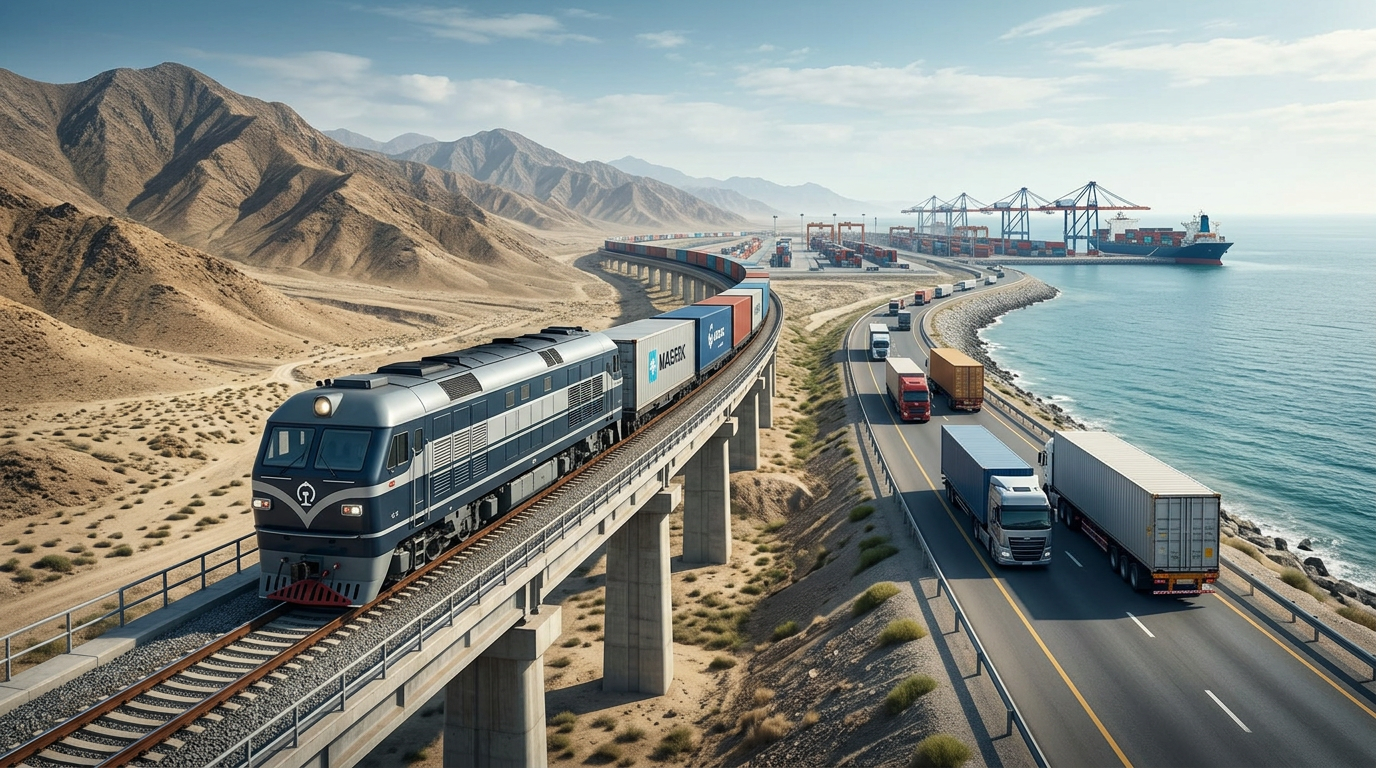
Pakistan has strategically opened two significant trade corridors, one via Iran's Gabd-Rimdan crossing and another through China's Sost Dry Port. These developments, operational since April 2026, follow the indefinite closure of the Torkham and Chaman crossings with Afghanistan in October 2025. This pivotal shift in Pakistan's trade network effectively bypasses its neighbour, Afghanistan.
Since their inception, these new routes have already facilitated the movement of over 14,000 metric tons of cargo. Notably, this includes the first reciprocal Kyrgyz shipments along the extensive 3,300-kilometre Bishkek-Karachi corridor, operating under the Quadrilateral Transit Trade Agreement (QTTA).
The geopolitical landscape, particularly the ongoing crisis in the Strait of Hormuz, has elevated maritime risks. This situation has further enhanced the importance of Pakistan's Gwadar Port. Situated approximately 400 kilometres east of the Strait, Gwadar is rapidly solidifying its position as Central Asia's primary warm-water outlet.
This strategic reorientation of trade routes represents a direct challenge to Kabul's long-standing transit leverage. Pakistan's proactive measures to diversify its trade arteries through Iran and China underscore a broader ambition to enhance regional connectivity and economic resilience.
The Sost Dry Port, located in Gilgit-Baltistan, is a crucial link in the China-Pakistan Economic Corridor (CPEC), a flagship project of China's Belt and Road Initiative. The Iranian corridor, meanwhile, offers Pakistan enhanced access to markets in the Middle East and beyond, lessening dependence on traditional routes. These new corridors are expected to boost trade volumes, reduce transit times, and potentially lower logistics costs for Pakistani businesses and their regional partners.
This move by Pakistan is not merely a logistical adjustment; it holds considerable geopolitical weight. It signals a recalibration of regional alliances and trade dynamics, potentially reshaping economic corridors across Eurasia. The long-term implications for regional stability and trade patterns will be closely watched by international observers and stakeholders.
The operationalisation of these corridors aligns with broader efforts to create more robust and diversified supply chains in the face of global uncertainties. The QTTA, linking Pakistan, China, Kazakhstan, and Kyrgyzstan, aims to foster greater economic integration and mutual growth among member states. As Pakistan continues to leverage its strategic geographical position, these new trade routes through Iran and China are set to become vital arteries of commerce, underpinning future economic development and regional connectivity.