Pakistan Boosts LNG Imports Amidst Supply Shortages
Pakistan purchases a second spot LNG cargo in two weeks, highlighting persistent supply shortages. Prices are rising, impacting energy security.
•TradeRadarNews Australia Editorial
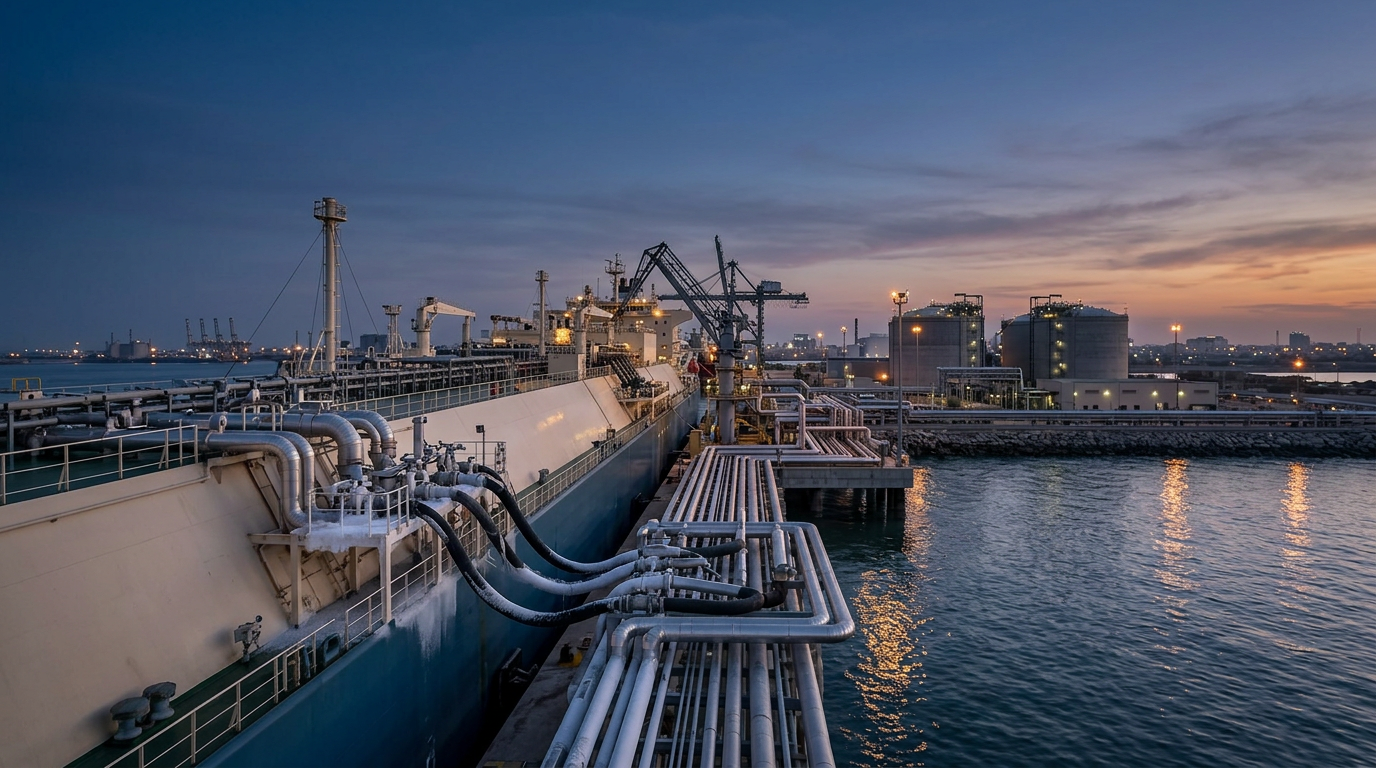
Pakistan is increasingly active in the spot liquefied natural gas (LNG) market, recently securing its second cargo within two weeks. This activity underscores persistent challenges in global gas supplies, particularly from the Persian Gulf region, where recovery of liquefied gas flows remains sluggish.
According to a Bloomberg report, the latest acquisition saw Pakistan procure an LNG cargo from TotalEnergies. The agreed price for this shipment, scheduled for delivery between 10th and 11th July, stands at $17.37 per million British thermal units (mmBtu).
This price point represents an increase compared to a recent transaction made by Pakistan LNG Ltd. Just last week, the company secured a cargo from energy giant BP at a cost of $16.74 per mmBtu. Notably, this earlier purchase already indicated a premium of approximately $1 above the prevailing Asian spot market average for LNG.
Pakistan's reliance on imported LNG is significant, with a considerable portion of its supply historically secured through long-term agreements with Qatar. However, the current spot market purchases highlight a need to supplement these contracted volumes, likely driven by escalating domestic energy demand and potential disruptions or insufficient quotas from existing long-term deals.
The rising prices in the spot market reflect broader geopolitical and economic factors impacting global energy landscapes. Supply chain issues, increased demand from other major economies, and fluctuating production levels can all contribute to tighter markets and higher costs for commodities like LNG.
For Pakistani consumers and industries, these increased import costs could translate into higher energy bills and operational expenses. The government faces the delicate task of balancing energy security with affordability, especially when having to compete for vital resources on the international spot market.
Energy analysts are closely monitoring these developments. Continued reliance on the spot market, particularly at elevated prices, could impact Pakistan's balance of payments and fiscal stability. Future energy policy decisions will likely focus on diversifying supply sources, exploring alternative energy solutions, and negotiating more favourable long-term contracts to mitigate future price volatility.
The global LNG market remains dynamic and sensitive to geopolitical events and economic shifts. Pakistan's recent acquisitions are a clear indicator of the tight supply conditions experienced by importing nations worldwide and the premium they are willing to pay to secure essential energy resources.