Moscow Refinery Faces Extended Shutdown Until 2027
Moscow's key oil refinery faces an extended shutdown until 2027, potentially impacting Russian fuel supplies and energy markets.
•TradeRadarNews Australia Editorial
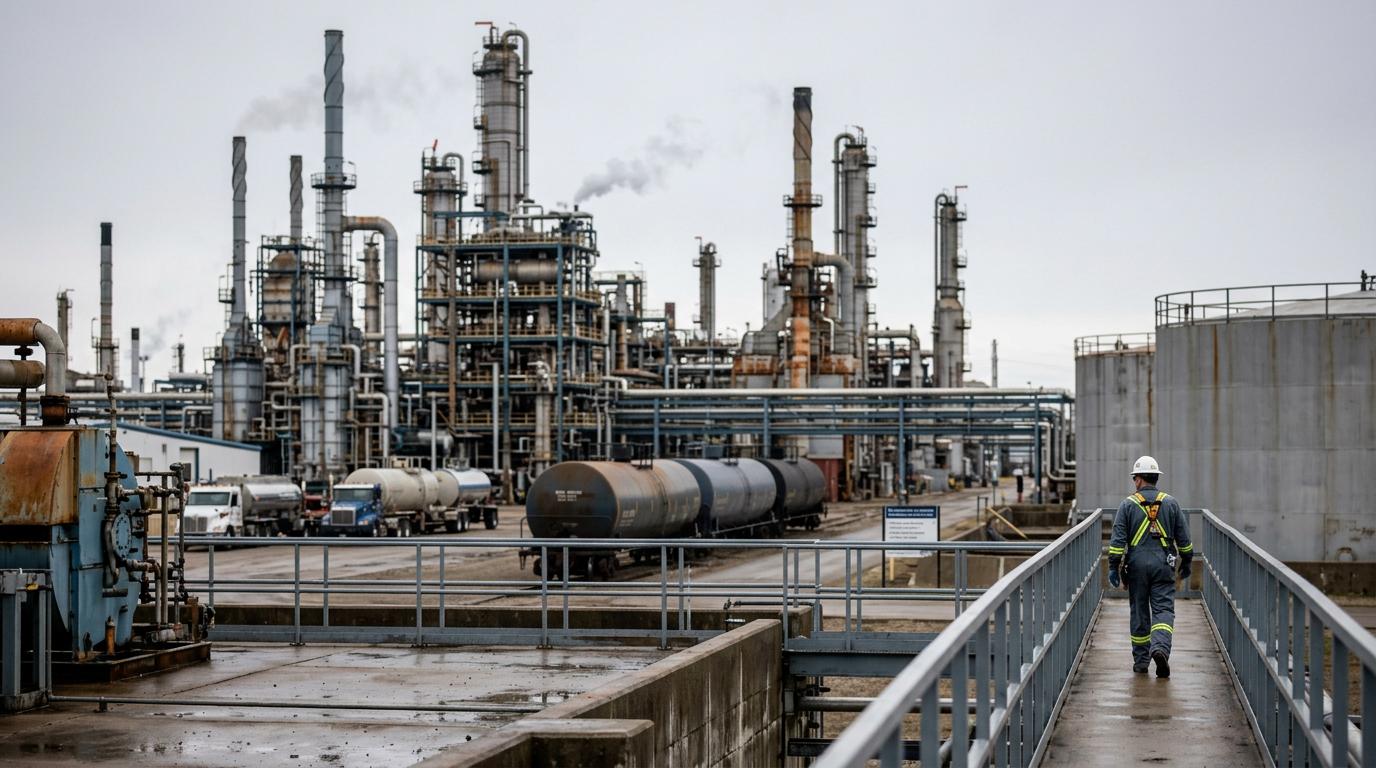
The Moscow Oil Refinery, a crucial cog in Russia's energy infrastructure, is facing a potentially protracted shutdown, with operations not expected to resume fully until 2027. This extended downtime could have significant ramifications for regional fuel supplies and broader Russian oil dynamics, impacting both domestic markets and the global energy landscape.
The refinery, a key player in processing crude oil and producing various petroleum products, has encountered operational challenges that necessitate a lengthy period of repair and maintenance. While the specific details surrounding the cause of the shutdown remain somewhat opaque, the projected timeline for its return to full service signals a substantial disruption to its usual output.
Such a prolonged outage at a prominent refinery inevitably raises concerns about supply chain stability. Moscow and its surrounding regions heavily rely on the refinery for consistent access to refined fuels, including petrol, diesel, and heating oil. The absence of this production capacity could lead to increased demand on other Russian refineries, potentially straining their output and logistics networks.
Energy analysts are closely monitoring the situation, assessing the potential for price fluctuations within the Russian domestic market. A reduction in refining capacity could, in theory, contribute to upward pressure on fuel prices if alternative supply routes or increased imports cannot adequately compensate for the shortfall. This could, in turn, impact inflation and consumer spending within Russia.
The operational disruption at the Moscow Refinery also carries implications for Russia's crude oil exports. While the country is a major global oil producer, a domestic refining bottleneck could necessitate adjustments to its crude export strategy. Depending on the availability of other refining facilities within Russia to process the displaced crude, there might be a re-evaluation of quantities directed to international markets.
For global energy markets, while the immediate impact on international crude oil prices might be limited given Russia's overall export volume, persistent refinery issues could contribute to a narrative of supply challenges. This could, in combination with other geopolitical factors and OPEC+ decisions, subtly influence sentiment in the Brent Crude and WTI Crude markets.
The Russian government and energy companies will undoubtedly be working to mitigate the effects of this extended shutdown. This will likely involve optimising the output of other domestic refineries, potentially increasing imports of refined products, and implementing measures to stabilise retail fuel prices. The coming months will provide further clarity on the operational challenges and the strategies employed to address this significant energy infrastructure setback. The situation at the Moscow Refinery underscores the fragility of complex energy supply chains and the ripple effects that disruptions can have across multiple sectors.