Kazakhstan Gas Output Cut After Drone Attack on Russia
Kazakhstan has slashed gas production at its Karachaganak field after a Ukrainian drone strike on a Russian processing plant. Domestic supply unaffected.
•TradeRadarNews Australia Editorial
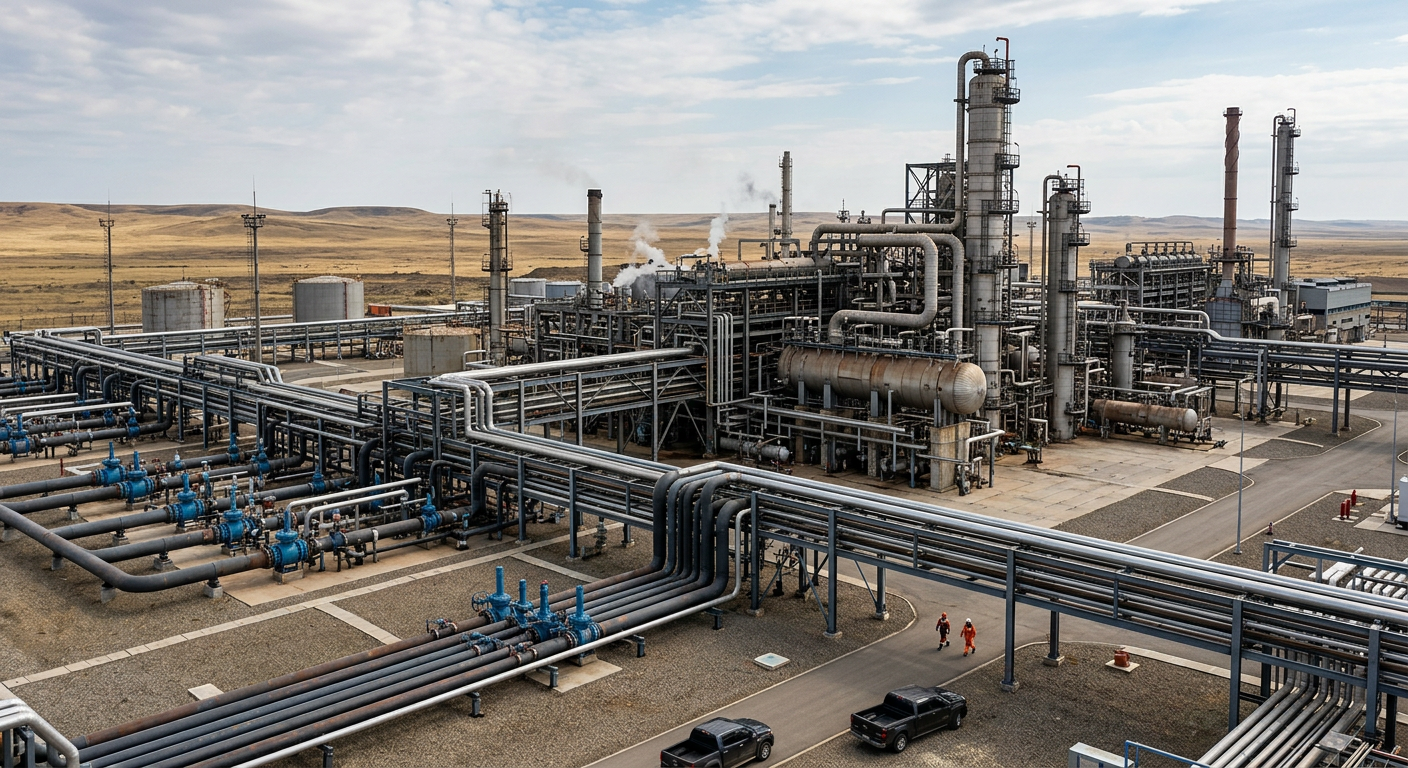
Kazakhstan has significantly reduced natural gas production at its formidable Karachaganak oil and gas field, a move spurred by a recent drone strike in Russia. The Ukrainian military reportedly targeted a Russian processing plant earlier this week, which handles a portion of Kazakhstan's gas output, according to Kazakhstan’s Energy Minister Yerlan Akkenzhenov on Friday.
Minister Akkenzhenov confirmed the direct impact of the incident, stating, “Naturally, we have reduced the gas intake.” This statement was shared with reporters, as quoted by Reuters, and highlights the immediate operational adjustments made by the Central Asian nation.
Despite the reduction in production for export, Akkenzhenov reassured the public that Kazakhstan's domestic gas supply remains unaffected. This ensures that the nation's own energy needs are being met without disruption, mitigating potential internal economic or social challenges.
The Karachaganak field is a crucial asset for Kazakhstan's energy sector, boasting substantial reserves of oil and gas. Its operations are overseen by a consortium of international supermajors, underscoring its global significance in the energy market. The involvement of such large entities often means complex supply chains and international agreements, making any disruption particularly impactful.
The drone strike on the Russian processing facility represents a new dimension in the ongoing conflict, extending its reach to critical energy infrastructure that impacts third-party nations. This incident not only affects energy supply chains but also raises questions about regional stability and the vulnerability of such vital facilities.
Analysts are closely monitoring the situation for its potential ripple effects on European energy markets, especially given the interconnected nature of global gas supplies. While the immediate impact on Kazakhstan's domestic supply is contained, the reduction in export capacity could influence broader market dynamics and pricing.
This event underscores the geopolitical risks inherent in global energy production and distribution. Nations reliant on cross-border energy infrastructure are increasingly exposed to the consequences of international conflicts. The incident at the Russian plant serving Kazakh gas highlights the need for robust energy security strategies and diversified supply routes.
The Karachaganak field's reduced output, even if temporary, will be a key focus for energy traders and policymakers. The precise duration of the reduced gas intake and the timeline for repairs at the Russian facility will dictate the longer-term implications for stakeholders. This situation reinforces the volatile nature of energy markets in the current geopolitical climate.