Goldman Sachs: 2027 Oil Glut Looms Despite Inventory Rebuild
Goldman Sachs warns a 2027 oil supply glut is likely, despite global efforts to rebuild depleted inventories. Strait of Hormuz normalises.
•TradeRadarNews Australia Editorial
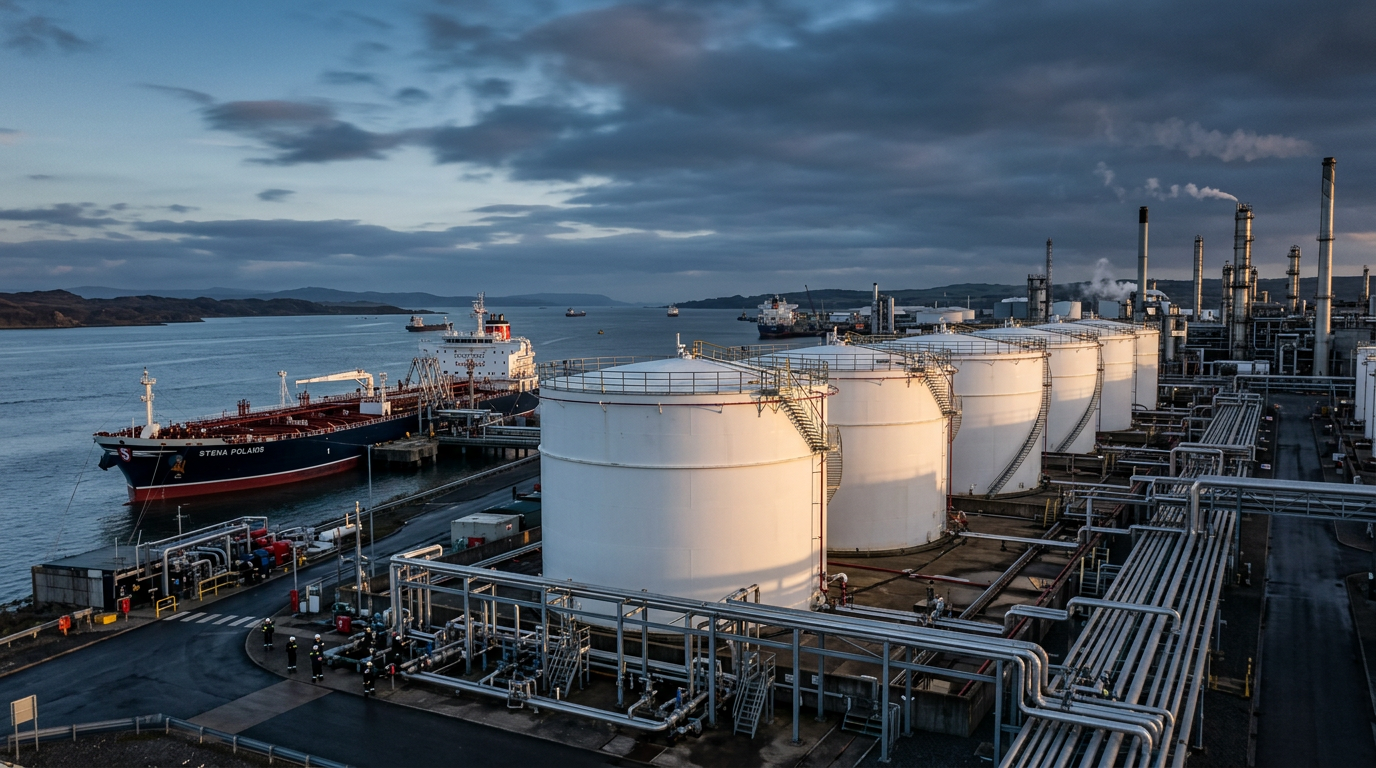
Goldman Sachs analysts are sounding the alarm regarding an impending oil market surplus, projecting that even a global push to replenish depleted oil inventories won't avert a significant glut anticipated in 2027. This forecast comes as the crucial Strait of Hormuz appears to be returning to normal operational levels, a development that could further exacerbate supply pressures.
The global oil landscape has seen dramatic shifts recently. Following the Middle East crisis in March, which severely disrupted the movement of millions of barrels of crude and refined products through the Persian Gulf, numerous governments rapidly released strategic petroleum reserves. This unprecedented move led to a precipitous decline in crude and refined product stockpiles across many regions, reaching levels not seen in decades.
While this depletion naturally suggests a period of robust inventory rebuilding, Goldman Sachs' analysis indicates that the scale of this rebuilding effort will be insufficient to absorb the substantial increase in oil supply expected to hit the market next year. This suggests a potential disconnect between immediate demand for replenishment and longer-term supply-side dynamics.
The normalisation of traffic through the Strait of Hormuz is a key factor in this outlook. This vital shipping lane is a chokepoint for a significant portion of the world's oil trade. Unimpeded passage means a smoother and potentially higher flow of crude and products to global markets, contributing to the projected surplus.
Oil market watchers and investors will be keenly observing how this forecast impacts future pricing and investment strategies. The prospect of a supply glut could place downward pressure on crude oil prices, affecting the profitability of oil producers and potentially influencing energy policy decisions worldwide.
Furthermore, the long-term implications for the energy transition are also noteworthy. A sustained period of lower oil prices due to oversupply could, in some scenarios, slow down the shift towards renewable energy sources, as traditional fossil fuels become more competitively priced. However, governments remain committed to decarbonisation targets.
This analysis from a major financial institution like Goldman Sachs provides a crucial insight into the complex interplay of geopolitical events, supply chain logistics, and market fundamentals. Businesses reliant on oil, from transportation companies to petrochemical industries, will need to factor this potential 2027 glut into their strategic planning.
The oil market remains a highly dynamic environment, susceptible to numerous influences. While the immediate focus may be on inventory replenishment, the long-term structural shifts, such as increased production capacity and potential changes in global demand patterns, are setting the stage for significant market recalibrations. Investors should closely monitor these evolving conditions.