Germany Boosts US LNG Imports Amid Energy Crisis
Germany's reliance on US LNG has grown significantly, now forming 12% of its gas supply, helping the nation weather ongoing energy shocks.
•TradeRadarNews Australia Editorial
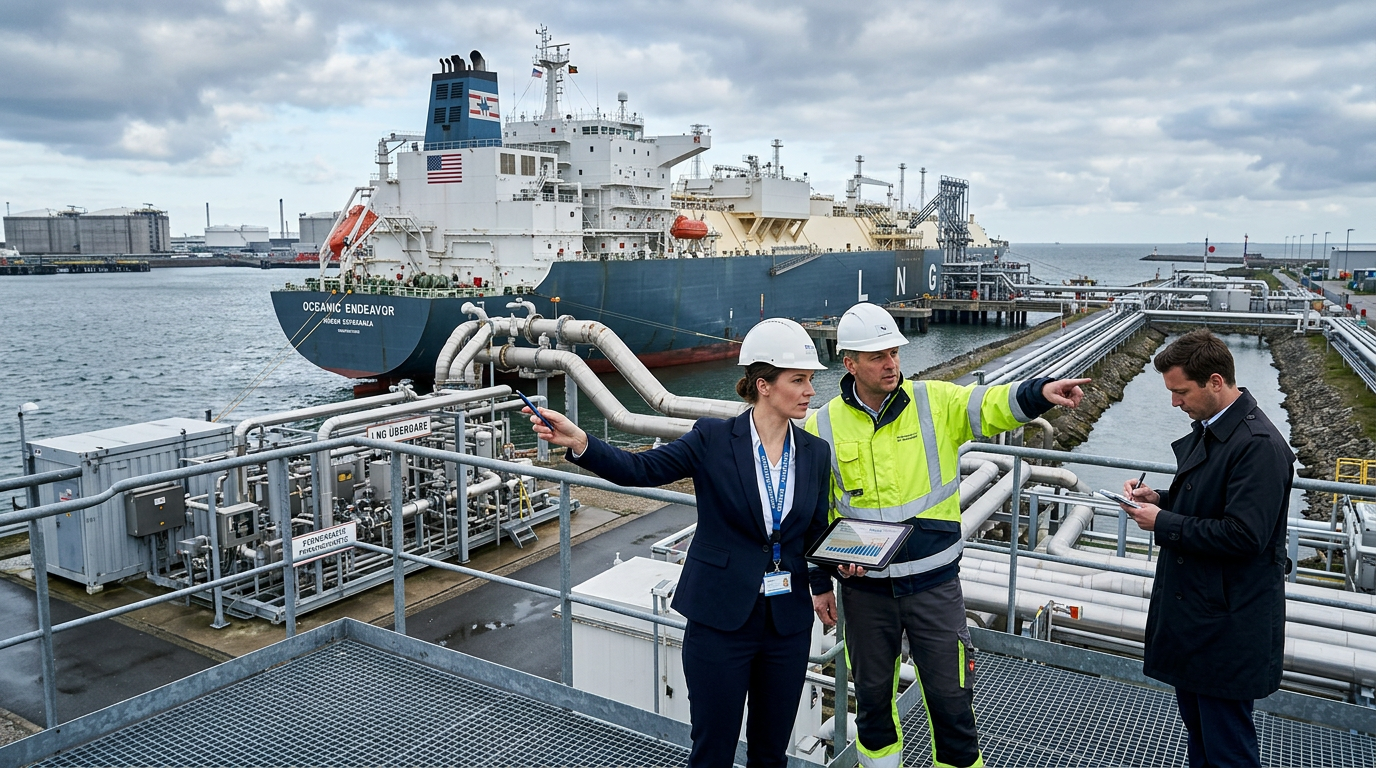
Germany has significantly increased its reliance on American liquefied natural gas (LNG) to navigate its ongoing energy crisis, according to recent data from the German regulator, Bundesnetzagentur. The Federal Network Agency reported that LNG imports now constitute 12% of Germany’s total gas supply in the first half of the year, marking a rise from 10% during the same period last year. This uptick occurred despite considerable geopolitical challenges, including a supply shock from the Middle East due to the closure of the Strait of Hormuz.
This increased dependence on US LNG highlights Germany’s strategic pivot in securing its energy needs. The European Union's largest economy has been bolstering its energy independence since the war in Ukraine, actively seeking alternative gas sources beyond traditional pipelines.
Bundesnetzagentur's data further indicates that the supply of LNG from Germany’s import terminals on the North Sea and Baltic Sea demonstrably increased. This surge in supply was maintained even during heightened instability in the Middle East, specifically during the Iran conflict, underscoring the critical role of American shipments.
The strategic shift was made necessary by disruptions to other key suppliers. LNG imports from nations such as Qatar and the United Arab Emirates were notably curtailed during this period, forcing Germany to diversify and strengthen its partnerships with more reliable producers like the United States.
The growing availability of US LNG has been crucial for Germany's energy security strategy. It demonstrates the flexibility and resilience of international energy markets in adapting to unforeseen global events. The expansion of import infrastructure at Germany's ports has also played a pivotal role in facilitating these increased volumes, ensuring that the country can physically receive and process the necessary gas supplies.
This trend is expected to continue as Germany strives to bolster its energy resilience and gradually phase out its dependence on less stable energy sources. The long-term implications for the European energy landscape include strengthening transatlantic energy ties and potentially re-shaping global LNG trade routes.