Experts Divided on Freezing Satoshi's Bitcoin Amid Quantum Fears
Bitcoin experts are divided over Binance founder CZ's plan to freeze Satoshi Nakamoto's 1.1 million bitcoins amidst growing quantum computer threats.
•TradeRadarNews Australia Editorial
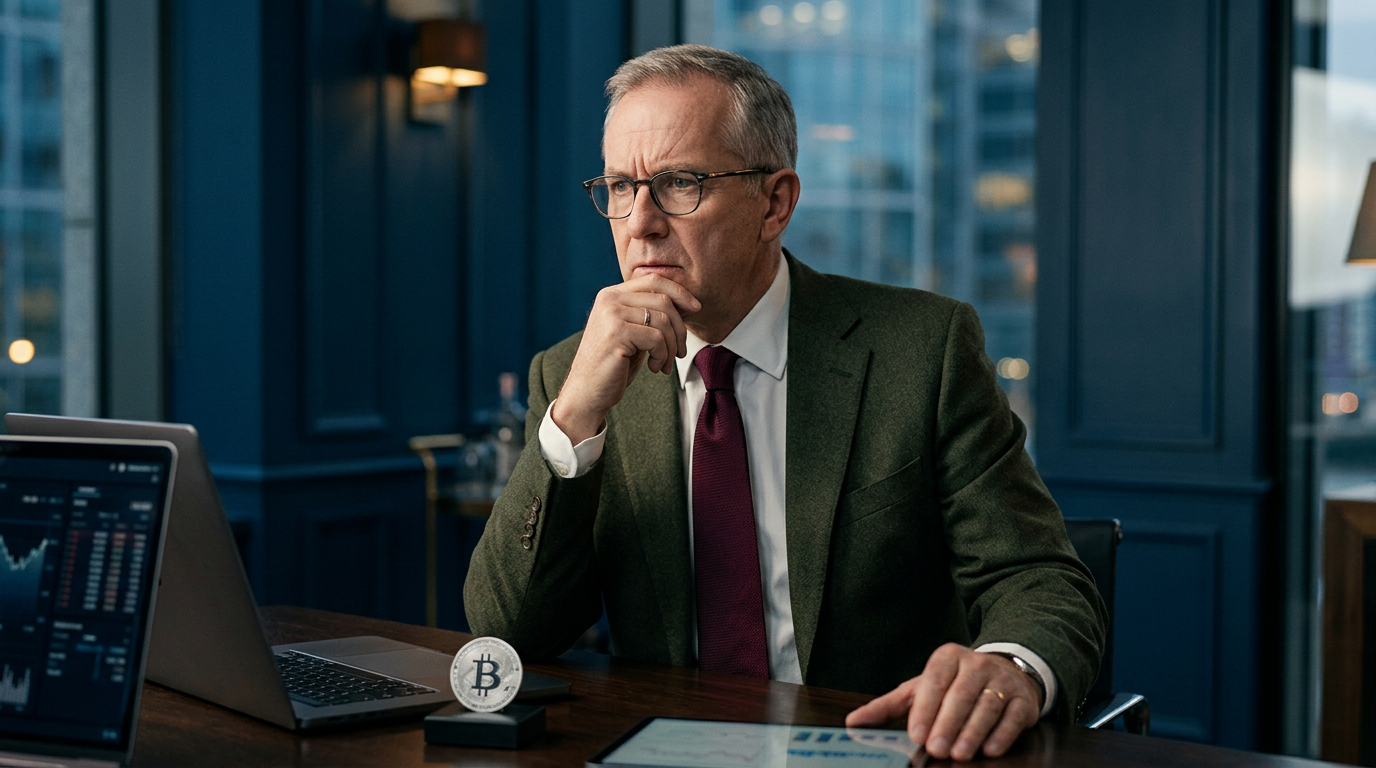
A hot debate has erupted among Bitcoin industry leaders regarding a controversial proposal from Binance founder Changpeng Zhao (CZ). Zhao suggests freezing the estimated 1.1 million bitcoins belonging to Nakamoto if they remain untouched, particularly as the threat of quantum computing looms over Bitcoin's underlying cryptography.
CZ floated this radical idea during a recent podcast, proposing a grace period of six to twelve months for Nakamoto to move the substantial bitcoin holdings, currently valued at approximately £54 billion (based on Bitcoin's price of around £50,000). If no action is taken, Zhao believes the community should consider freezing these addresses to prevent potential theft by future quantum computers.
This proposal has ignited a significant divide within the cryptocurrency community. Critics, such as investor Michael Terpin, vehemently argue that such an action would fundamentally undermine Bitcoin's core principle of being a permissionless and decentralised system. Terpin, a respected figure in the crypto space often dubbed 'the crypto godfather', stated, "While I appreciate the proactivity in CZ's proposal, it begins a slippery slope of creating permission in a permissionless system relative to personal property."
The concern here is twofold. Firstly, if these vast holdings were to be accessed and dumped onto the market by a malicious actor, it could lead to a catastrophic crash in Bitcoin's price. Secondly, the very act of the blockchain seizing control of an individual's property directly contradicts the trustless design philosophy that underpins Bitcoin.
However, other prominent experts, including developer Jameson Lopp and Bitwise's Matt Hougan, acknowledge the potential quantum threat but suggest alternative solutions. They emphasise the need to prepare Bitcoin for a post-quantum era through phased cryptographic upgrades. They also moot ideas such as placing Satoshi's coins in a legal trust. Despite the differing approaches, there is a general consensus that this debate, while critical, remains largely theoretical for now.
The implications of CZ's proposal are profound. Freezing Nakamoto's bitcoins would be an unprecedented move, setting a potentially dangerous precedent for future interventions in a system designed to be immune to such control. The discussion highlights the ongoing tension between safeguarding assets in an evolving technological landscape and preserving the foundational tenets of decentralisation and individual ownership within the cryptocurrency world.
The quantum computing threat, though not immediate, is a genuine concern for the long-term security of cryptographic systems like Bitcoin. As quantum technology advances, the ability to break current encryption methods becomes increasingly feasible. This forces the Bitcoin community to confront difficult questions about proactive measures versus adherence to foundational principles.
The debate underscores the dynamic and often contentious nature of innovation in the crypto sector. While security is paramount, so too is the integrity of Bitcoin's original vision. Finding a balance that protects assets without compromising decentralisation will be a significant challenge for the community in the years to come.