China's LNG Imports Surge Amidst Summer Power Demand
China's LNG imports are surging as summer power demand rises, impacting global energy markets and highlighting a shift to cleaner fuels.
•TradeRadarNews Australia Editorial
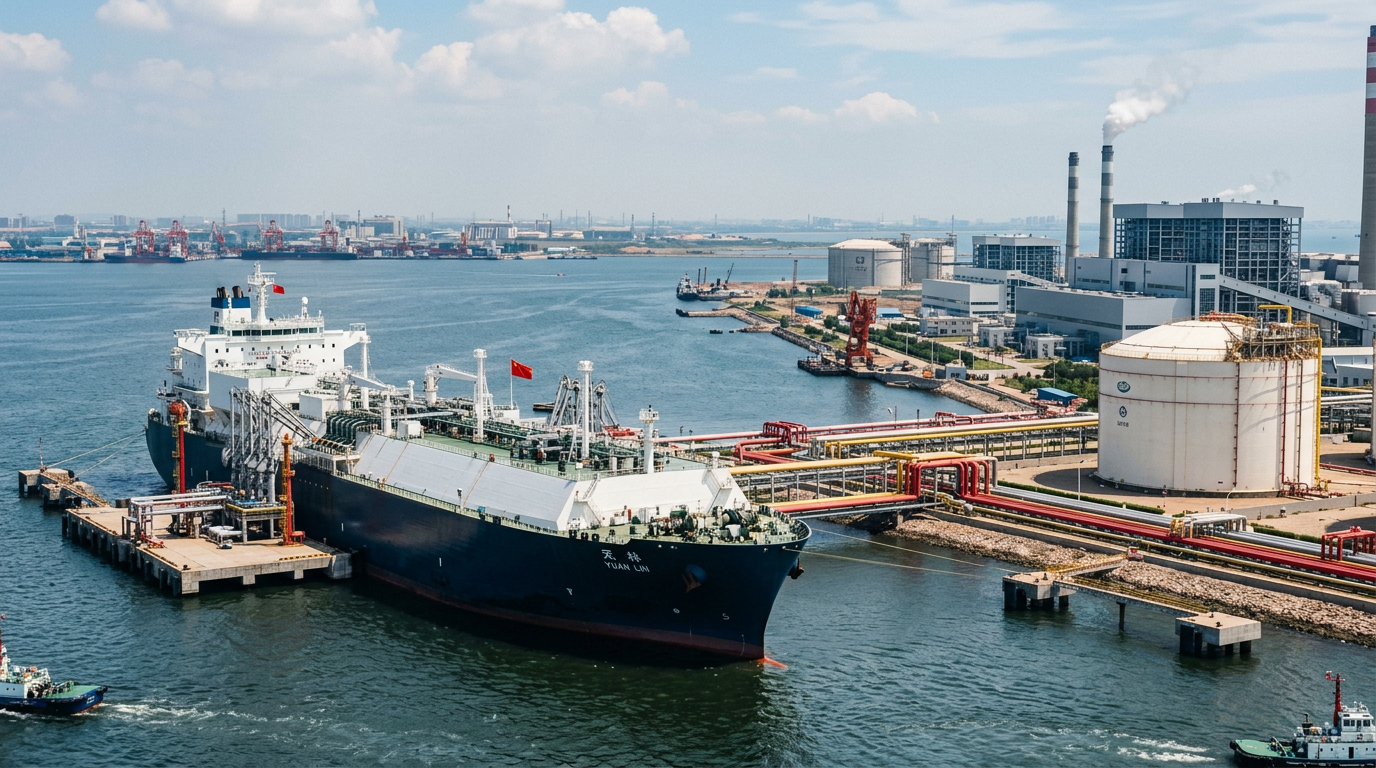
China's procurement of Liquefied Natural Gas (LNG) is experiencing a significant resurgence, driven by escalating summer power demand. This rebound signifies a crucial shift in global energy markets and highlights China's pivotal role in shaping LNG trade dynamics. As temperatures rise across the nation, air conditioning usage and industrial activity naturally increase, placing greater strain on the existing power grid and necessitating additional fuel sources.
The growing appetite for LNG in China is further fuelled by its commitment to reducing carbon emissions and transitioning towards cleaner energy alternatives. Natural gas, particularly in its liquefied form, offers a more environmentally friendly option compared to coal, which has historically dominated China's energy mix. This strategic pivot aligns with the country's broader environmental goals and its ambitious targets for renewable energy integration.
The implications of China's sustained LNG purchasing spree are far-reaching. It impacts global LNG prices, shipping routes, and the investment decisions of major energy companies worldwide. Suppliers in key LNG-producing regions, such as Australia, the United States, and Qatar, are closely monitoring Chinese demand to adjust their production and export strategies accordingly.
While the immediate impetus for this surge is seasonal, underlying factors contributing to China's long-term LNG demand remain robust. These include continued urbanisation, industrial growth, and a rising middle class with increasing energy needs. The nation's infrastructure for regasification and distribution is also continually expanding, facilitating greater LNG imports and utilisation across various sectors.
However, the volatility of global energy markets presents a constant challenge. Geopolitical tensions, production disruptions, and fluctuating shipping costs can all influence LNG supply and pricing. China's energy planners must navigate these complexities to ensure a stable and affordable energy supply for their vast population and burgeoning economy.
The ongoing increase in China's LNG imports underscores its critical position as a global energy consumer and its profound influence on international commodity markets. This trend is expected to continue as China balances its economic growth with its environmental responsibilities, making the LNG sector a key area of focus for energy analysts and investors alike. The demand surge also provides opportunities for innovation in LNG technologies and greater international cooperation in energy supply chains.