AI Trade Cools as Infrastructure Boom Faces Reality
The AI trade is cooling as investors reassess infrastructure spending amid rising competition and slowing growth concerns, impacting chipmakers and memory stocks.
•TradeRadarNews Australia Editorial
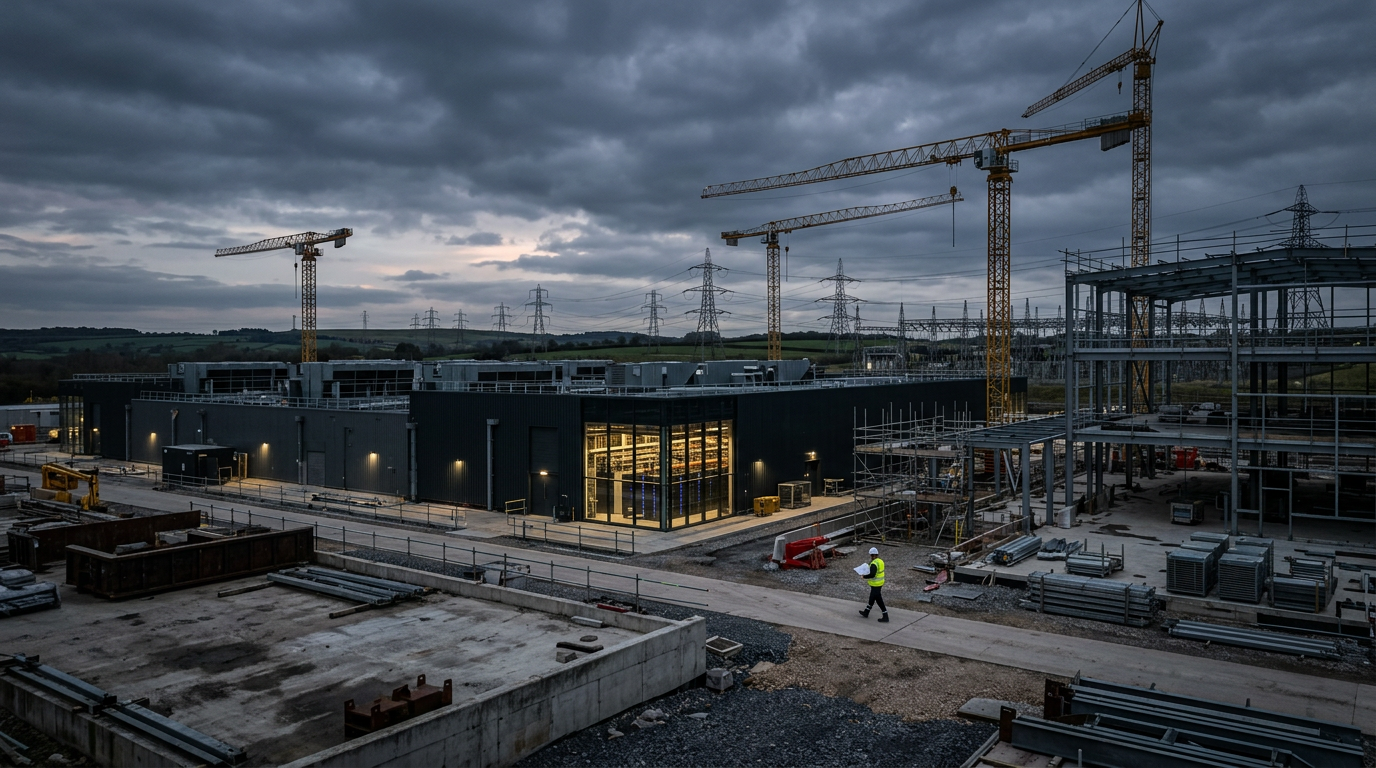
The once-booming AI sector is showing signs of cooling off as investors re-evaluate the sustainability of the infrastructure spending that has fuelled its recent surge. Despite a strong performance from companies like Samsung, whose record quarterly profits were paradoxically met with a nearly 7% decline in share price, the market for AI chipmakers appears to be facing a reality check. Similarly, SK Hynix, a key player in the memory chip market, experienced a decline ahead of its US listing, further signalling a shift in investor sentiment.
This reassessment stems from several factors, including heightened competition within the AI industry, rising earnings, and growing concerns about a potential slowdown in AI spending. The extraordinary capital expenditure on advanced chips and data centres, which has propelled the AI trade, is now under close scrutiny.
Semiconductor and memory stocks, such as Micron Technology (MU) and Sandisk (SNDK), felt significant pressure following Samsung Electronics' (005930) revenue miss, despite its record second-quarter earnings. This broader sell-off among AI-linked chipmakers highlights increasing apprehension that major cloud providers, or "hyperscalers," might reduce their AI infrastructure investments.
Exacerbating the situation, SK Hynix has fallen 25% from its peak as its upcoming US listing diverts investment capital away from existing chip stocks. This downturn contrasts sharply with the sector's stellar performance earlier in the year, which saw Sandisk skyrocket over 525%, Micron gain more than 120%, and SK Hynix climb approximately 225% in 2026.
A significant development adding to the changing narrative comes from China. Zhipu AI, a prominent Chinese artificial intelligence startup, is exploring the development of its own custom AI chips. This move is driven by the surging demand for its open-source GLM models, underscoring the emergence of more cost-effective AI ecosystems built on domestic hardware rather than solely relying on cutting-edge US chips.
This shift arrives hot on the heels of SpaceX's blockbuster IPO and amidst generally elevated valuations across the AI-related stock market. Investors are increasingly questioning whether the next phase of AI will continue to demand an ever-increasing supply of GPUs and high-bandwidth memory. Alternatively, more efficient AI models could significantly reduce the need for such extensive infrastructure, potentially altering the trajectory of the AI rally.
The fading enthusiasm for AI could also have implications for the cryptocurrency market. Over the past year, Bitcoin and the broader crypto market have experienced a negative impact from the AI trade. Should investor confidence in AI continue to wane, there is potential for capital to rotate back into digital assets, offering a potential boost for crypto bulls.