AI Boom to Propel UK Fuel Cell Market to £24bn by 2030
AI data centre boom poised to propel UK fuel cell market to £24 billion by 2030, driven by swift deployment and grid independence.
•TradeRadarNews Australia Editorial
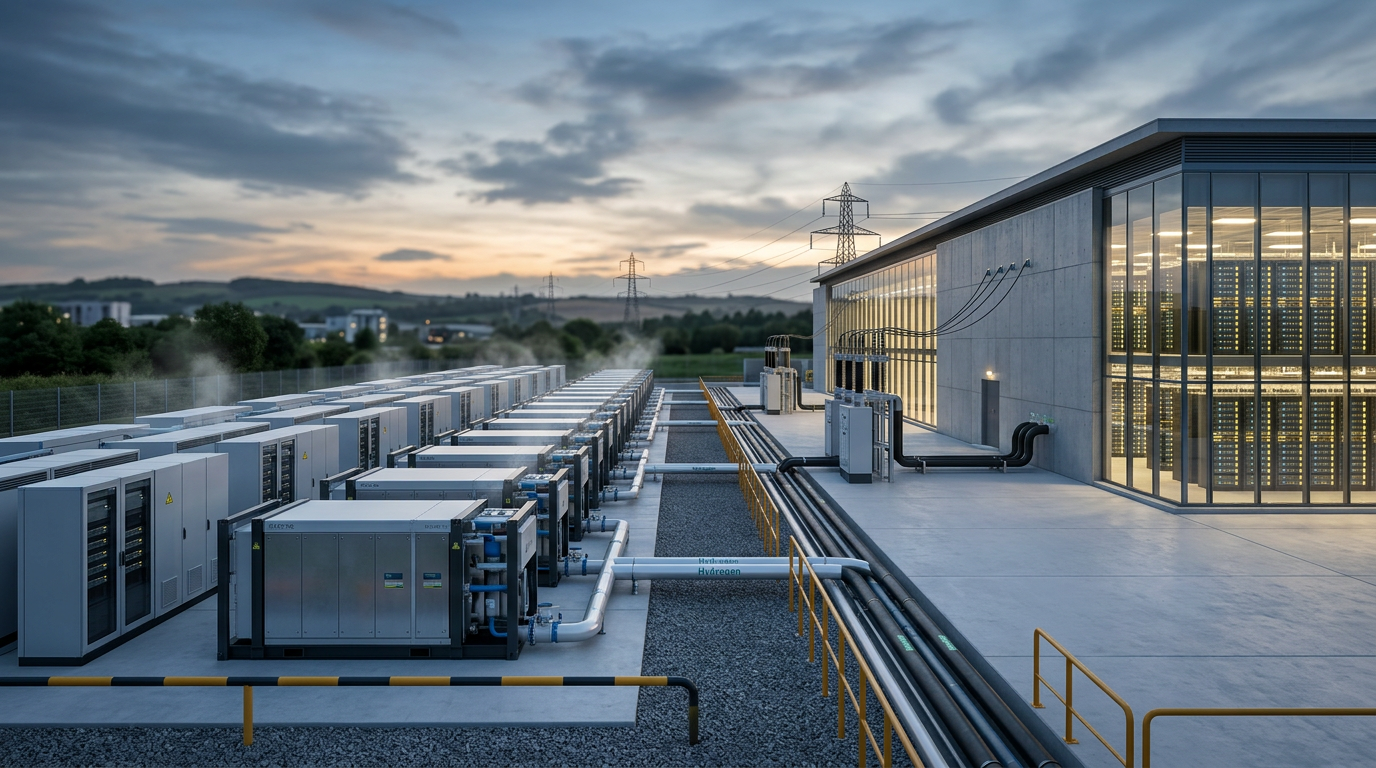
The burgeoning Artificial Intelligence (AI) data centre industry is set to become a significant catalyst for the UK’s fuel cell market, with new projections indicating a dramatic increase in revenues. According to a recent analysis by Rystad Energy, the global fuel cell market is forecasted to rocket from an estimated £2.2 billion ($2.8 billion) in 2025 to a staggering £24 billion ($30 billion) by 2030. This impressive growth trajectory is largely attributed to the increasing demand from AI data centres seeking reliable and rapidly deployable power solutions.
The demand for AI processing power is growing exponentially, putting immense pressure on existing electricity grids. In the United States, for instance, grid connection timelines can extend anywhere from three to six years, representing a critical bottleneck for new data centre developments. This lengthy waiting period highlights a significant opportunity for fuel cell technology, which offers a much swifter deployment solution.
Fuel cells are poised to meet more than 10 gigawatts (GW) of data centre power demand between 2026 and 2030. Their ability to provide immediate and decentralised power makes them an attractive alternative to traditional grid connections, particularly for energy-intensive AI operations that require continuous and stable power supplies.
While this outlook presents exciting prospects, the market faces potential challenges. Bloom Energy currently holds a dominant position within the fuel cell sector. However, their technology heavily relies on scandium, a critical mineral primarily controlled by China. As global demand for fuel cells escalates, this dependence on a single, geopolitical sensitive source could create a significant supply chain bottleneck. Such a choke point could impact the speed and scale of fuel cell adoption, particularly for companies operating in the UK and wider European markets.
Addressing this vulnerability will be crucial for the sustained growth of the fuel cell industry. Companies and governments may need to explore diversification of scandium supply chains, invest in alternative materials, or develop fuel cell technologies that are less reliant on this specific critical mineral. The UK’s commitment to renewable energy and technological innovation could position it as a key player in mitigating these supply risks and fostering a resilient fuel cell market.
Ultimately, the confluence of AI's insatiable energy demands and the limitations of traditional grid infrastructure is creating a perfect storm for the fuel cell market. With astute strategic planning and investment in supply chain resilience, the UK and global fuel cell industries are well-positioned for substantial expansion in the coming years.