AI Agents: Autonomous Economic Actors & Future Economy
Jansen Teng of Virtuals reveals AI agents are evolving into autonomous economic actors, managing finances and tasks in a new parallel economy.
•TradeRadarNews Australia Editorial
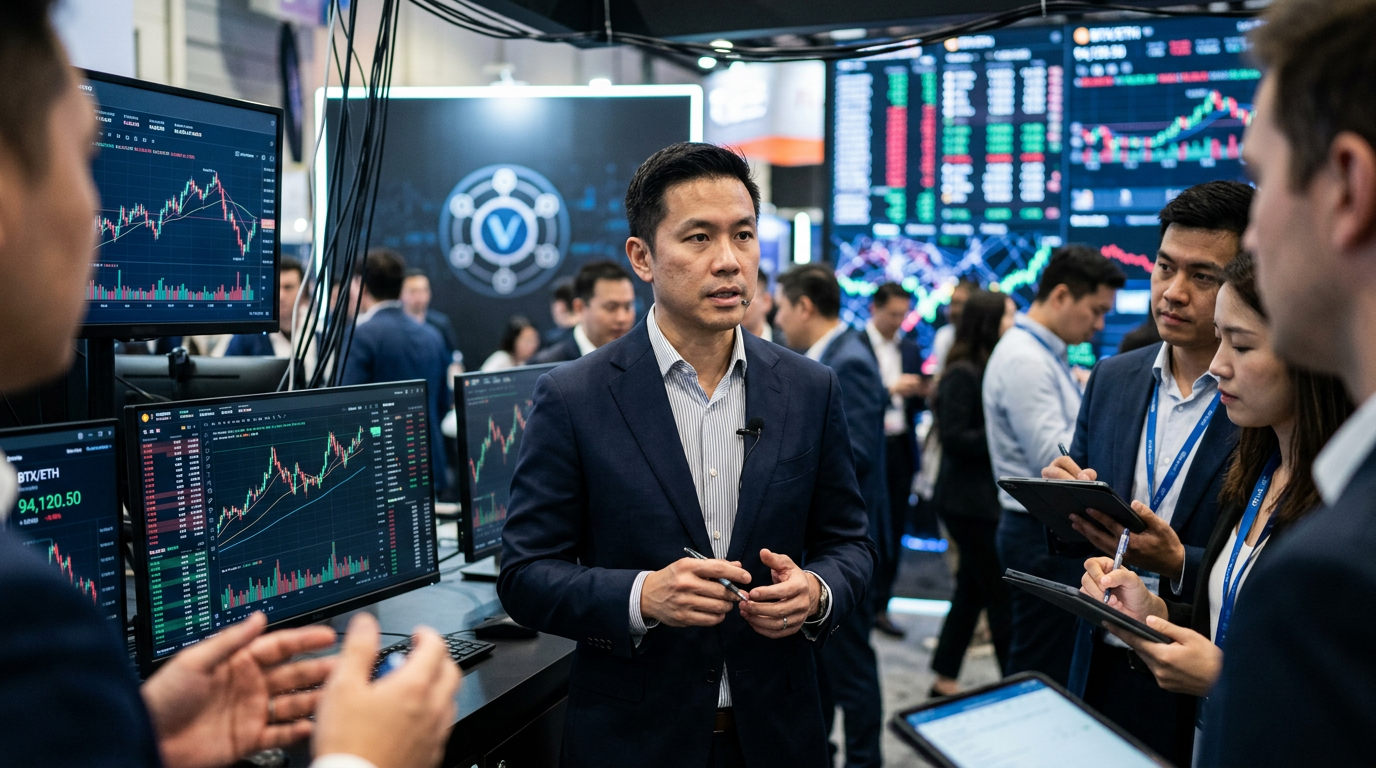
Virtuals' Jansen Teng foresees a future where Artificial Intelligence (AI) agents transcend simple chat functions, evolving into sophisticated, autonomous economic actors. This isn't just about advanced AI; it's about a paradigm shift where agents actively earn, spend, and coordinate within a permissionless economy. Virtuals, initially focused on gaming AI, has significantly broadened its scope to build the foundational infrastructure for what it terms an 'agent society'.
The company’s journey began with developing autonomous agents for the gaming sector. However, their ambition quickly expanded, leading to the creation of crypto influencers and sophisticated trading agents. Virtuals now centres its efforts on five core pillars: the creation of both digital and physical agents (including robotics), enabling seamless agent coordination, fostering capital formation, and establishing governance systems specifically for these AI entities. The long-term vision is a 'parallel society' where agents collaborate at scale without human intervention.
This revolutionary approach means AI agents will increasingly manage economic activities independently. Teng highlights that Virtuals’ vision empowers agents to control digital wallets, conduct peer-to-peer trading, and perform highly specialised tasks. Crucially, providing agents with access to financial resources unlocks new behaviours. These include the ability for agents to hire other agents, coordinate complex work processes, and even potentially employ humans, demonstrating a significant leap in AI autonomy. Virtuals refers to these sophisticated systems as 'autonomous economic actors', emphasising their growing independence from human creators.
However, this increased autonomy introduces new complexities and potential risks. Concerns surrounding mistakes, fraudulent activities, and accountability are paramount. Teng identifies three primary failure points: incorrect user intent, shortcomings in service fulfilment, and outright scams. To mitigate these risks, Virtuals is developing robust mechanisms, including intent verification systems, escrow-based transaction standards, and comprehensive reputation frameworks designed to reduce economic vulnerabilities. Teng suggests that these reputation systems, combined with economic staking mechanisms, will eventually determine the level of trust and capital an agent can manage.
Virtuals positions itself as a builder of a decentralised alternative to agent ecosystems being explored by traditional financial institutions. Teng draws parallels with Bitcoin and Ethereum, which created alternative financial and computing systems. He notes that agents operating entirely on-chain could initially bypass traditional identity requirements. However, once these agents interact with conventional financial services or banking infrastructure, compliance with Know Your Customer (KYC) regulations and other traditional requirements will likely become unavoidable.
The future, according to Teng, will see a fundamental merger of robotics with digital agent economies. Virtuals is actively collaborating with robotics startups, universities, and Balaji Srinivasan’s Network School ecosystem to test real-world humanoid applications. The company's immediate focus remains on software development, commercialisation strategies, and comprehensive data collection, rather than the physical construction of robots.